Are you tired of tossing and turning, frustrated by intrusive light that disrupts your precious sleep? In today’s fast-paced world, achieving truly restorative sleep can feel like an elusive dream. Whether it’s the early morning sun, a glaring street light, or your partner’s late-night screen time, ambient light is a significant sleep disruptor, impacting your body’s natural melatonin production. The good news? A high-quality sleep mask can be a game-changer, transforming your sleep environment into a sanctuary of darkness and calm. This comprehensive guide will navigate you through the world of sleep masks, helping you understand their benefits, explore different types, and ultimately choose the perfect one to unlock deeper, more consistent sleep.
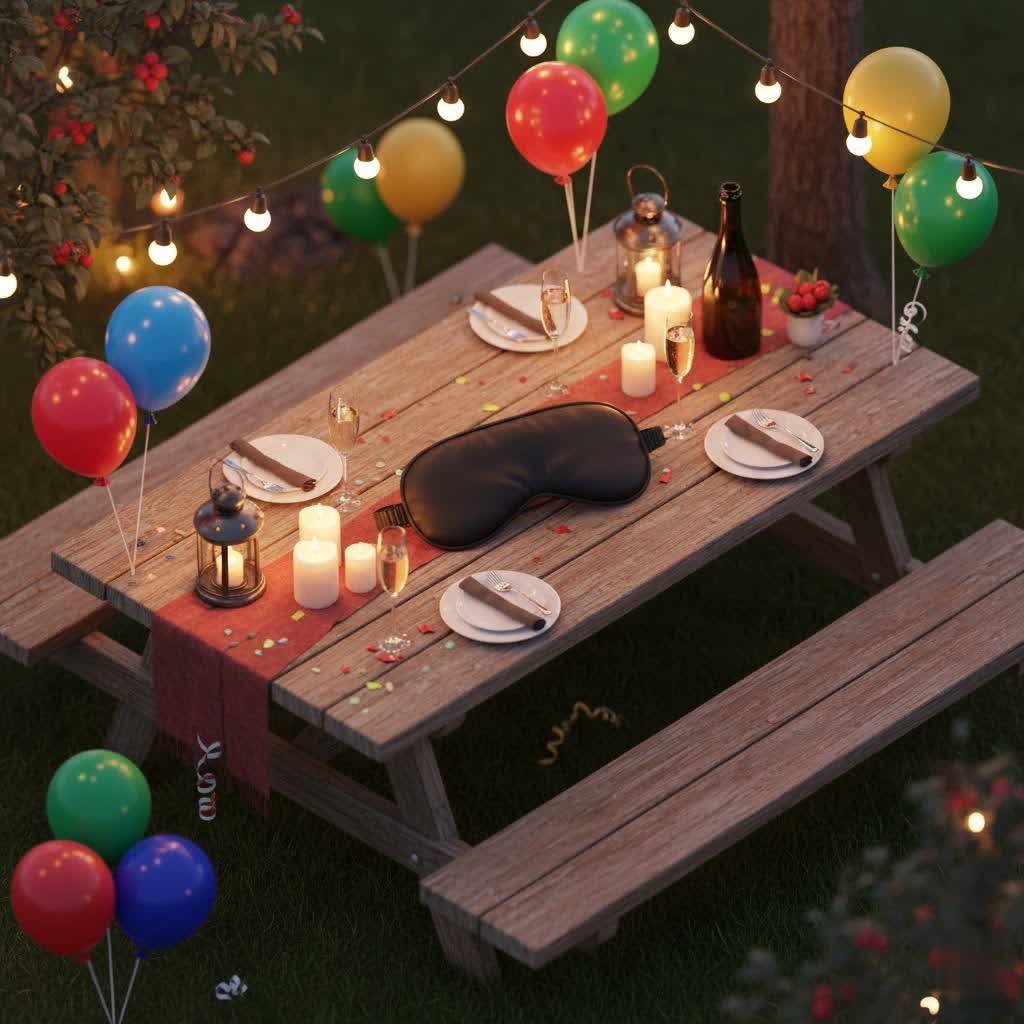
What is a Sleep Mask and Why Should You Use One?
A sleep mask, often called an eye mask, is a simple yet powerful accessory designed to cover your eyes and block out light. By creating a dark environment, sleep masks help signal to your brain that it’s time to rest, promoting the natural release of melatonin—the hormone essential for regulating your sleep-wake cycle. This simple act of light deprivation can significantly enhance your sleep quality.
The benefits of incorporating a sleep mask into your nightly routine extend beyond just blocking light. They are invaluable for:
- Improving Sleep Quality: Consistent darkness leads to more profound, undisturbed sleep.
- Aiding Daytime Sleepers: Essential for night shift workers or anyone needing to sleep when the sun is up.
- Enhancing Travel Comfort: Perfect for planes, trains, or brightly lit hotel rooms, allowing you to rest on the go.
- Alleviating Headaches: Some masks offer cooling or weighted features that can soothe tension and reduce headache discomfort.
- Promoting Relaxation: The gentle pressure or soft material can create a calming sensation, helping you drift off more easily.
While a dark bedroom is ideal, it’s not always achievable. A sleep mask provides a portable, cost-effective solution to create your personal sleep haven, wherever you are.
Classifying Sleep Masks: Materials, Designs, and Features
Sleep masks are far from one-size-fits-all. They come in a vast array of materials, designs, and with various features, each offering unique benefits. Understanding these classifications is key to finding your ideal match.
By Material
The material of your sleep mask plays a crucial role in comfort, breathability, and even skin health.
- Silk (especially Mulberry Silk): Often considered the most luxurious option, silk is incredibly soft, smooth, and breathable. It’s gentle on delicate facial skin, helping to reduce friction that can contribute to sleep-induced wrinkles, and it won’t tug at your hair. Mulberry silk, with a momme count (a measure of silk density) of 19-22, is particularly coveted for its quality.
- Pros: Hypoallergenic, breathable, gentle on skin and hair, luxurious feel, often cooling.
- Cons: Can be more expensive, some require delicate washing.
- Memory Foam: Known for its contouring ability, memory foam masks mold to the unique shape of your face, providing an excellent seal against light without putting pressure directly on your eyes. They are soft and cushioning.
- Pros: Superior light blocking, comfortable contouring, relieves eye pressure.
- Cons: Can sometimes feel bulky, may retain heat for some users.
- Cotton: A natural and breathable fiber, cotton masks are soft and generally affordable. They wick away moisture, making them a good option for those who tend to sleep hot, though they may not offer the same luxurious feel as silk or bamboo.
- Pros: Breathable, absorbent, easy to clean, generally budget-friendly.
- Cons: Can sometimes absorb more moisture from skin, less luxurious feel.
- Bamboo Sateen: Offering a silky-soft feel similar to silk but often more affordable and sustainable, bamboo sateen is also excellent for cooling and moisture-wicking.
- Pros: Soft, cooling, eco-friendly, good for sensitive skin.
- Cons: Less common, may have a “greasy” texture to some.
- Cashmere: For ultimate indulgence, cashmere masks provide exceptional softness and warmth. They are thick and plush, creating a deeply cushioned feel.
- Pros: Ultra-soft, warm, luxurious feel.
- Cons: Very expensive, requires delicate care.
- Polyester/Poly-cotton: These synthetic blends are durable, often machine-washable, and can be very cost-effective. They form the basis for many contoured or specialized masks.
- Pros: Durable, affordable, easy to maintain.
- Cons: Less breathable than natural fibers, can feel less luxurious.
|
Our Picks for the Best Sleep Mask in 2026
As an Amazon Associate I earn from qualifying purchases.
|
||
| Num | Product | Action |
|---|---|---|
| 1 | LitBear Sleep Masks for Women, Sleep Eye Mask for Sleeping, Comfortable Night Sleeping Mask, Soft Contoured Eye Cover for Sleeping with Elastic Strap for Side Sleeper Flying Shift Worker Light Sleeper |

|
| 2 | MZOO Luxury Sleep Mask for Back, Side Sleeper, Complete Light Blocking Sleeping Eye Mask Night Blindfold, 3D Zero Pressure & Spacious for Lash Extensions, Breathable Soft Eye Cover Flight Nap Travel |
|
| 3 | MZOO Luxury Sleep Eye Mask for Side Sleeper Men Women, Zero Eye Pressure 3D Sleeping Mask, Light Blocking Patented Design Night Blindfold, Soft Eye Shade Cover for Travel, Grey |
|
| 4 | MZOO Luxury Sleep Eye Mask for Side Sleeper Men Women, Zero Eye Pressure 3D Sleeping Mask, Light Blocking Patented Design Night Blindfold, Soft Eye Shade Cover for Travel, Pink |
|
| 5 | MZOO Luxury Sleep Eye Mask for Side Sleeper Men Women, Zero Eye Pressure 3D Sleeping Mask, Light Blocking Patented Design Night Blindfold, Soft Eye Shade Cover for Travel, Blue |
|
| 6 | LitBear Sleep Mask for Side Sleeper Women Men, Eye Mask for Sleeping Light Blocking, 3D Contoured Cup Sleeping Mask, Soft Breathable Sleep Eye Mask with Adjustable Elastic Strap for Travel |
|
| 7 | LitBear Sleep Masks, Light Blocking Eye Mask Sleeping for Women Men Side Sleeper, Soft 3D Comfortable Sleeping Mask with Adjustable Elastic Strap for Travel |
|
| 8 | MZOO Luxury Sleep Eye Mask for Side Sleeper Men Women, Zero Eye Pressure 3D Sleeping Mask, Light Blocking Patented Design Night Blindfold, Soft Eye Shade Cover for Travel, Black |
|
| 9 | MZOO Luxury Sleep Eye Mask for Side Sleeper Men Women, Zero Eye Pressure 3D Sleeping Mask, Light Blocking Patented Design Night Blindfold, Soft Eye Shade Cover for Travel, Purple |
|
| 10 | LitBear Sleep Mask for Side Sleeper Women Men, Eye Mask for Sleeping Light Blocking, 3D Contoured Cup Sleeping Mask, Soft Breathable Sleep Eye Mask with Adjustable Strap for Flight, Light Purple |
|
By Design
The design of a sleep mask dictates how it sits on your face and its overall effectiveness.
- Flat Masks: These are the traditional blindfold-style masks that lie flush against your face, covering your eyes directly. They can be thin or lightly padded.
- Pros: Simple, often more affordable, compact for travel, suitable for all sleeping positions as they don’t add much bulk.
- Cons: Can put pressure on the eyes and eyelashes, may not achieve total blackout around the nose.
- Contoured (3D) Masks: Featuring molded cups or deep indentations over the eyes, these masks create a space between the fabric and your eyelids. This allows you to blink freely and avoids pressure on your eyes and lashes.
- Pros: Eliminates eye pressure, ideal for eyelash extensions, often provides excellent blackout.
- Cons: Can be bulkier, some designs may not be comfortable for stomach sleepers, fit can vary by face shape.
- Pillow-like/Padded Masks: These masks are significantly thicker and softer, often extending further around the face or even covering the ears. They offer extra cushioning and can muffle sound.
- Pros: Enhanced comfort, can block light and muffle sound, luxurious feel.
- Cons: Very bulky, may be too warm for some, not ideal for all sleeping positions.
By Feature and Functionality
Beyond basic light blocking, many sleep masks offer specialized features.
- Adjustable Straps: Crucial for a custom, comfortable fit that isn’t too tight or too loose. Straps can be elastic with buckles, sliders, or Velcro.
- Consideration: Velcro can snag hair, so buckles or sliders might be preferred for long hair.
- Blackout Capabilities: The primary purpose. Some masks excel at creating complete darkness, often with nose baffles or clever designs to seal light leaks.
- Weighted Masks: Filled with beads (like mini weighted blankets for your eyes), these masks apply gentle pressure to help calm the nervous system and promote relaxation. They can also be chilled.
- Cooling Masks: Designed with inserts that can be chilled in the freezer, offering relief for headaches, puffiness, or hot flashes.
- Eyelash-Protecting Masks: Typically contoured designs that ensure no pressure is placed on eyelashes, preserving extensions or simply enhancing comfort.
- Travel-Friendly Masks: Compact, durable, and effective light blockers for on-the-go use, often coming with a carrying pouch.
- Strapless Masks: Designed to drape over the face rather than strap around the head, relying on gentle weight or design to stay in place. These can be ideal for those sensitive to head pressure.
Bảng so sánh các loại Sleep Mask phổ biến
Here’s a comparison of some popular sleep mask types to help you weigh your options:
| Type (Example) | Material | Design | Key Features | Best For | Pros | Cons |
|---|---|---|---|---|---|---|
| Silk (Alaska Bear) | Mulberry Silk (19mm) | Flat | Breathable, adjustable strap | Sensitive skin, everyday use, side sleepers | Gentle on skin/hair, cooling, affordable silk | Can put slight pressure on eyes, less effective nose seal |
| Contoured Foam (MZOO) | Memory Foam | Contoured (3D) | Total blackout, no eye pressure, adjustable | Total blackout, lash extensions, back sleepers | Excellent light block, comfortable eye cups | Can be bulky, some find the material less luxurious |
| Luxury Padded (Drowsy) | 22-momme Silk | Pillowy/Padded | Ultra-soft, eyelash-protecting, Velcro closure | Luxury, total darkness, all sleep positions | Supreme comfort, no eye pressure, won’t mess up hair | Very expensive, can be warm, Velcro may snag hair |
| Customizable (Manta Original) | Poly-cotton/Polyester | Contoured (adjustable cups) | Removable/adjustable eye cups, 100% blackout | Back sleepers, light sensitivity, customizable | Unparalleled blackout, zero eye pressure, modular design | Bulky for side/stomach sleepers, higher price point for accessories |
| Weighted (Nodpod) | Cotton/Microfleece | Segmented, Weighted | Gentle pressure, freezable, no head strap | Relaxation, headaches, back/side sleepers | Calming sensation, can be used cold, ideal for falling asleep | Not meant to stay on all night, can be heavy for some |
| Travel (Dream Essentials) | Cotton/Polyfoam | Contoured | Comes with earplugs/bag, durable | Frequent travelers, budget-conscious | Compact, good light block, often includes accessories | May not offer total blackout, materials can vary in luxury |
How to Choose the Right Sleep Mask for You: A Buying Guide
Selecting the best sleep mask requires a personalized approach, considering your unique needs and preferences. Here’s a step-by-step guide to help you make an informed decision:
1. Identify Your Primary Needs
Start by asking yourself why you need a sleep mask.
- Absolute Blackout? If even a sliver of light bothers you, prioritize masks known for complete light blockage, often with contoured designs or nose baffles.
- Comfort Above All? Look for soft, breathable materials like silk or bamboo and designs that don’t put pressure on your eyes.
- Frequent Travel? Portability, durability, and effective light blocking in various environments are key.
- Sensitive Skin or Eyelashes? Silk or contoured masks are ideal to prevent irritation or damage.
- Headaches or Stress? Consider cooling or weighted masks for their therapeutic benefits.
2. Consider Your Sleeping Position
Your preferred sleeping position significantly impacts the comfort and effectiveness of a mask.
- Back Sleepers: Most masks work well, but contoured or bulkier designs (like weighted or heavily padded) are usually fine.
- Side Sleepers: Flat silk masks or contoured masks with very soft, flexible eye cups that can conform to pressure are often best. Rigid contoured masks can be uncomfortable when pressed against a pillow.
- Stomach Sleepers: Flat masks are generally preferred. Many contoured or bulky masks can be highly uncomfortable or ineffective when lying face down.
3. Choose the Right Material for Your Skin and Preferences
- Sensitive Skin/Hair: Silk or bamboo are excellent choices due to their smooth, low-friction properties.
- Hot Sleepers: Breathable materials like silk, bamboo, or cotton will help prevent overheating.
- Allergies: Hypoallergenic materials like pure silk can be beneficial.
- Luxury Feel: Silk, cashmere, or high-quality bamboo sateen offer a premium touch.
4. Evaluate Design and Strap Type
- Contoured vs. Flat: Decide if you prefer zero eye pressure (contoured) or a more minimalist feel (flat).
- Adjustable Strap: Always opt for an adjustable strap to ensure a snug yet comfortable fit without excessive pressure. Look for buckles or sliders if you have long hair, as Velcro can snag and pull.
- Nose Fit: A common complaint is light leaking around the nose. Some masks feature special nose baffles or flexible designs to eliminate this gap.
5. Look for Additional Features
- Cooling: If you experience night sweats or headaches, a mask with gel inserts or cooling properties can be beneficial.
- Weighted: For anxiety relief or help falling asleep, a gently weighted mask can provide a comforting sensation.
- Sound Blocking: Some thicker, padded masks may offer minor sound muffling, and a few are designed to cover the ears for enhanced quiet.
6. Read User Reviews
While expert reviews are helpful, real-world user feedback can provide insights into a mask’s durability, actual blackout effectiveness, and comfort for different face shapes and sleeping styles. Pay attention to comments regarding light leakage, strap comfort, and material feel after extended use.
7. Compare Prices and Warranties
Sleep masks range widely in price. Determine your budget, but remember that investing in a higher-quality mask can significantly impact your sleep and overall well-being. Check for return policies or warranties, especially for more expensive or specialized options.
“A great sleep mask isn’t just about blocking light; it’s about creating a personal cocoon of calm that tells your body, ‘It’s safe to rest now.’ The right fit and feel can make all the difference.” – Admin, Reviewstek.com
Top Sleep Masks Reviewed for Optimal Rest
Based on extensive testing and user feedback, here are some of the top sleep masks currently on the market, each excelling in different categories:
1. MZOO Luxury Sleep Mask: Best Overall Blackout
The MZOO Luxury Sleep Mask is a perennial favorite for its exceptional light-blocking capabilities and comfortable design. Crafted from soft memory foam, it features deep contoured cups that create ample space around your eyes, ensuring no pressure on your eyelids or eyelashes. This design allows for complete darkness, even in brightly lit environments, making it a favorite for shift workers or those in urban settings. The adjustable buckle strap provides a secure yet comfortable fit for various head sizes.
- Pros: 100% blackout, zero eye pressure, comfortable memory foam, adjustable strap, durable heat-bonded construction.
- Cons: Can feel bulky for some, material feel might not be as luxurious as silk.
2. Alaska Bear Silk Sleep Mask: Best Budget-Friendly Silk
For those seeking the benefits of silk without a hefty price tag, the Alaska Bear Silk Sleep Mask is an outstanding choice. Made from 19-momme natural mulberry silk, it’s incredibly soft, breathable, and gentle on both skin and hair. Its flat design is comfortable for all sleeping positions, including side and stomach sleepers, and features two adjustable straps for an even, secure fit. While not entirely 3D, it does an excellent job of blocking light for its price point.
- Pros: Affordable, 100% mulberry silk, soft and breathable, gentle on skin/hair, machine washable, suitable for all sleep positions.
- Cons: Flat design may put slight pressure on eyes/lashes for some, light leakage around the nose is possible.
3. Drowsy Silk Sleep Mask: Best Luxury and Eyelash Protection
If luxury and a no-pressure feel are your top priorities, the Drowsy Silk Sleep Mask delivers. This generously sized, pillowy mask is made from high-grade 22-momme mulberry silk, offering an incredibly soft and soothing experience. Its unique design features ample padding and concave indentations over the eyes, providing plenty of space for blinking and protecting eyelashes. The wide silk strap, secured with Velcro, goes all the way around, preventing hair snagging and frizz.
- Pros: Ultra-luxurious and soft silk, excellent eyelash protection, total blackout, comfortable for all sleep positions, feels like a self-care ritual.
- Cons: Very expensive, bulky, Velcro closure may require careful handling to avoid hair tangles (though less prone due to design), may feel warm for some.
4. Manta Sleep Mask: Best Customizable and Total Blackout
The Manta Sleep Mask is revered for its modular design, allowing for unparalleled customization and a truly pitch-black experience. It features adjustable, detachable eye cups that can be positioned precisely to your face, ensuring 100% blackout with zero eye pressure. Manta also offers various interchangeable eye cups, including cooling, heated, and ventilated options, allowing you to tailor the mask to specific needs like headaches or sensitivity to light.
- Pros: Total blackout, fully adjustable and customizable eye cups, zero eye pressure, compatible with cooling/heating inserts, durable.
- Cons: Can be bulky, higher price point for additional cups, may feel less comfortable for some side/stomach sleepers despite adjustments.
5. Nodpod Sleep Mask: Best Weighted for Relaxation
The Nodpod Sleep Mask offers a unique, therapeutic experience, acting like a mini weighted blanket for your eyes. Filled with unscented, food-grade plastic microbeads, it provides gentle, calming pressure without strapping tightly to your head. Its segmented design drapes comfortably over your face, and it can be chilled in the freezer for added relief from headaches or puffiness. While designed to help you fall asleep, it may not stay on all night.
- Pros: Soothing weighted pressure, can be chilled for cooling relief, no head strap pressure, machine washable.
- Cons: Not designed to stay on all night, may feel too heavy for some, can shift if you move a lot.
How to Use and Care for Your Sleep Mask
To maximize the benefits and lifespan of your sleep mask, proper usage and care are essential.
How to Use Your Sleep Mask Correctly
- Position Properly: Place the mask over your eyes, ensuring the nose area is adequately covered to prevent light leakage. For contoured masks, confirm your eyes have enough space to blink freely.
- Adjust the Strap: Gently pull the strap until the mask feels snug but not tight. It should stay in place without putting uncomfortable pressure on your head or eyes. An overly tight strap can lead to headaches or skin irritation.
- Check for Light Leaks: Once adjusted, open your eyes briefly under the mask to check for any light seeping in, especially around the bridge of your nose. Readjust if necessary.
How to Clean and Maintain Your Sleep Mask
Regular cleaning is crucial to prevent skin issues like acne and to maintain hygiene. Treat your sleep mask like an extension of your pillowcase.
- Frequency: Aim to wash your sleep mask at least as often as you wash your pillowcases, ideally every 1-2 weeks, or more frequently if you use skincare products or sweat at night.
- Check Care Labels: Always follow the manufacturer’s specific washing instructions, as materials vary.
- Hand Washing (Recommended for Delicates): For silk, cashmere, or masks with delicate components, hand washing in cool water with a mild, gentle detergent (preferably one designed for delicates) is best. Gently squeeze out excess water, avoid wringing.
- Machine Washing (If Applicable): If your mask is machine washable (like many cotton or polyester options), place it in a mesh laundry bag. Use a gentle cycle with cold water and a mild detergent.
- Drying: Air dry your sleep mask by laying it flat on a clean towel or hanging it. Avoid direct sunlight or high heat, which can damage materials like silk or memory foam. Never put memory foam masks in a dryer.
Important Considerations When Using a Sleep Mask
- Skin Care: If you apply nighttime skincare products, be aware that some masks might absorb them. Ensure your products have fully absorbed before wearing the mask to minimize residue buildup and potential skin irritation.
- Eye Health: High-quality sleep masks are generally safe for eye health. However, if you experience any irritation, discomfort, or have specific eye conditions, consult with an ophthalmologist.
- Multiple Masks: Having a few masks allows for rotation, ensuring you always have a clean one while others are being washed or dried.
Conclusion
Achieving truly restful and deep sleep is paramount for your overall health and well-being, and a good sleep mask is an indispensable tool in that pursuit. By effectively blocking out light, these simple accessories help regulate your body’s natural rhythms, reduce distractions, and transform any environment into a serene sleep sanctuary. From luxurious silks that pamper your skin and lashes to contoured designs that offer complete blackout, and even weighted options for soothing relaxation, there’s a perfect sleep mask for every need and preference. Take the time to consider your unique requirements—your sleeping position, material preference, and specific features—and invest in a sleep mask that promises not just darkness, but the profound, restorative sleep you truly deserve. What will be the first change you make tonight to improve your sleep?
Frequently Asked Questions
Are sleep masks bad for your eyes or skin?
No, when chosen and used correctly, sleep masks are generally not bad for your eyes or skin. Opt for soft, breathable, and hypoallergenic materials like silk to minimize irritation. Ensure the mask fits snugly but not too tightly to avoid pressure on your eyeballs or surrounding skin, and clean it regularly to maintain hygiene.
How often should I wash my sleep mask?
You should wash your sleep mask at least as frequently as your pillowcases, ideally every one to two weeks. If you use heavy skincare products or tend to sweat at night, washing it more often will help prevent oil and bacteria buildup, which can lead to skin irritation or acne.
Can wearing a sleep mask cause wrinkles?
High-quality sleep masks, especially those made from smooth materials like mulberry silk, are less likely to cause wrinkles. Silk reduces friction between your skin and the mask, unlike coarser fabrics that can tug at delicate facial skin. Contoured masks also prevent pressure on the eye area, further reducing the risk of sleep-induced lines.
